


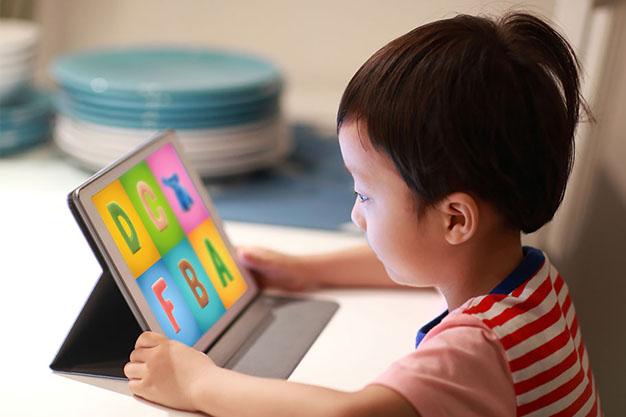
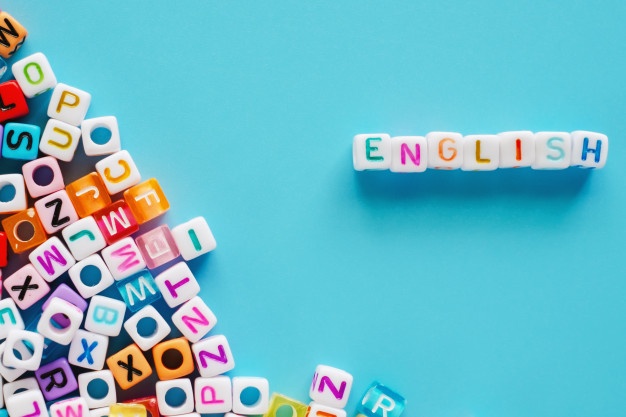






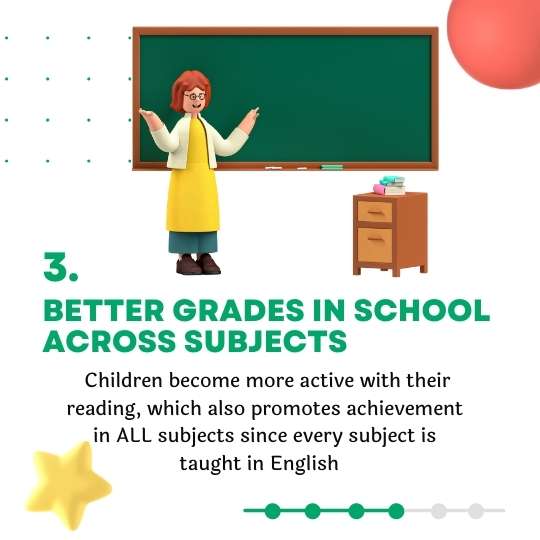
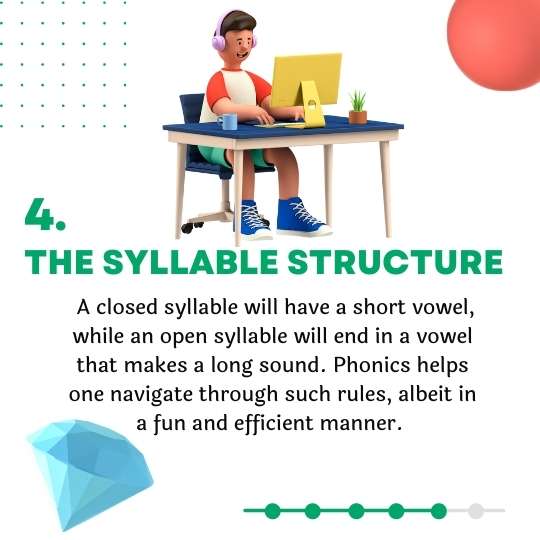
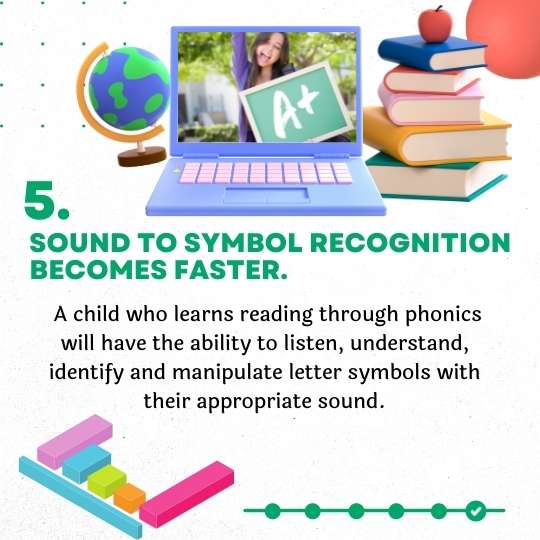
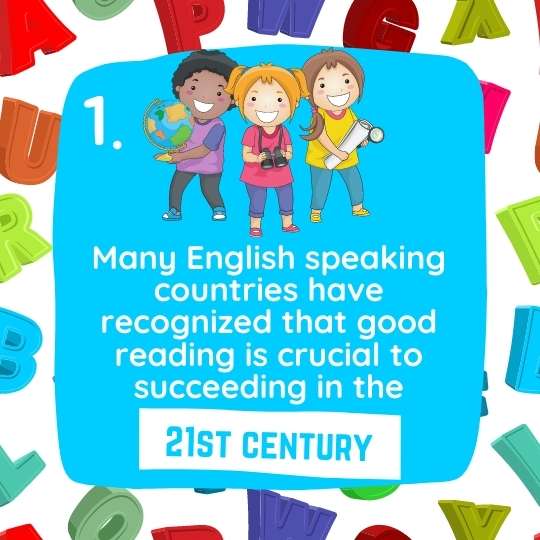
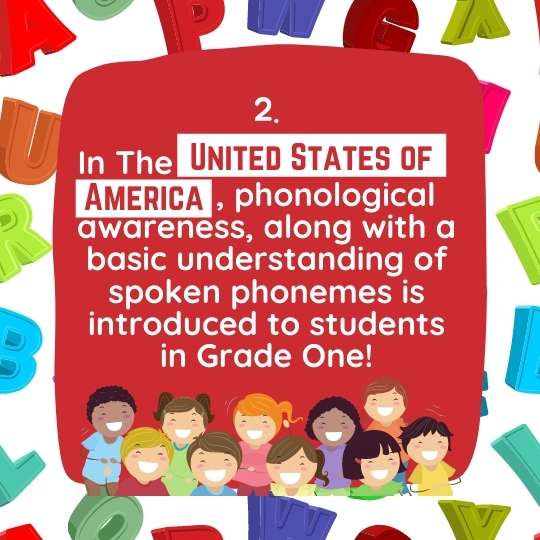
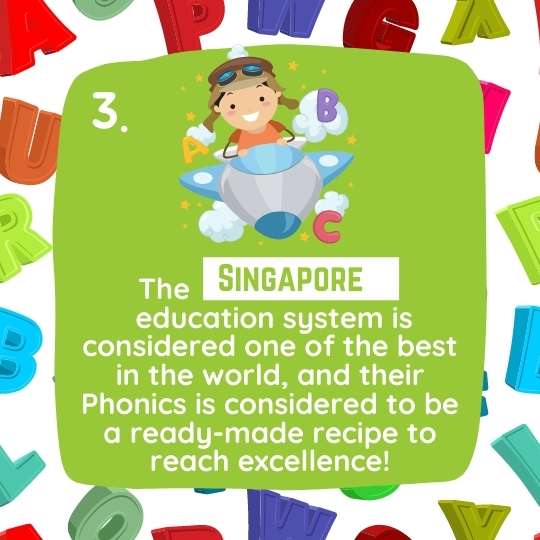
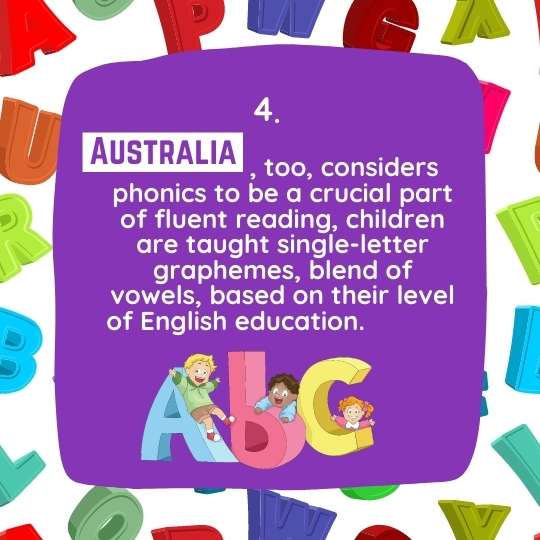
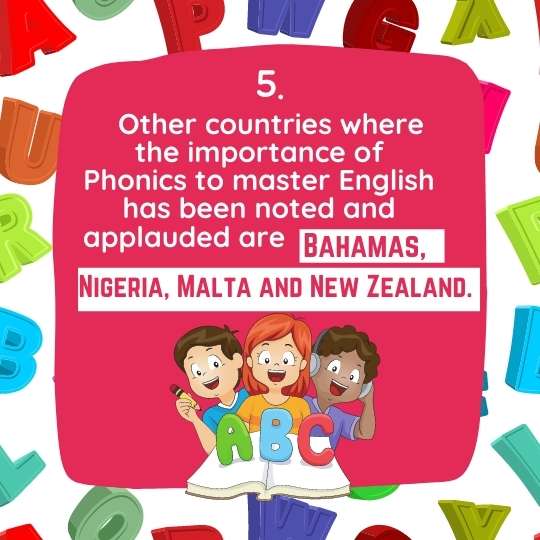
Basic sounds are a small part of the phonetic training. However, with our phonics program for kids, your child will learn the concepts in detail. It helps in improving reading, writing, and speaking skills. She will easily learn new, complex words aiding good vocabulary.





Enhancing and Improving the Reading Fluency for Kids with HOSS’s Phonics Programs in the USA
In the USA, the "Reading Wars" have left many parents confused. While many schools have historically used "Balanced Literacy" or "Sight Word" methods, research consistently shows that Synthetic Phonics is the most effective and the best way to teach children how to read.
At House of Soft Skills (HOSS), we bridge this gap with our Phonics Programs in the USA. Our Phonics Program for USA students is designed to provide the logical foundation that children need to decode the English language, moving them from "guessing" words to "knowing" them.
As an ISO 21001:2025 certified organization, we provide a structured, scientific approach to literacy. At HOSS, we believe that for a child, mastering phonics for kids is not just about reading; it is about building the confidence to participate in American classrooms with clear articulation and a robust vocabulary.
Learning Phonics through HOSS’s Phonics Programs in the USA: A Secret to "Gifted and Talented" Success
In high-achieving school districts across the USA, from the Bay Area to Northern Virginia, early literacy is the primary predictor of success and progress.
- The 44 Sounds of English: English has 26 letters but 44 unique sounds (phonemes). We teach children to master these sounds, including complex digraphs (sh, ch, th) and diphthongs (oi, oy), which are often skipped in standard preschools.
- Blending for Fluency: We do not just teach isolated sounds. Through our Phonics Programs, we teach "Blending,” the mechanical process of joining sounds to read words. It turns a 4-year-old into an independent reader who can tackle complex books with ease and confidence.
- Spelling Mastery: When a child understands the phonemic structure of a word, they do not need to "memorize" spelling lists. They can "construct" words, leading to higher scores on school writing assignments.
Addressing the "NRI Bilingual" Articulation Advantage with Our Phonics Programs
Many children in NRI households are exposed to multiple languages. While this is a massive cognitive advantage, it can sometimes lead to "Language Confusion" or subtle articulation shifts.
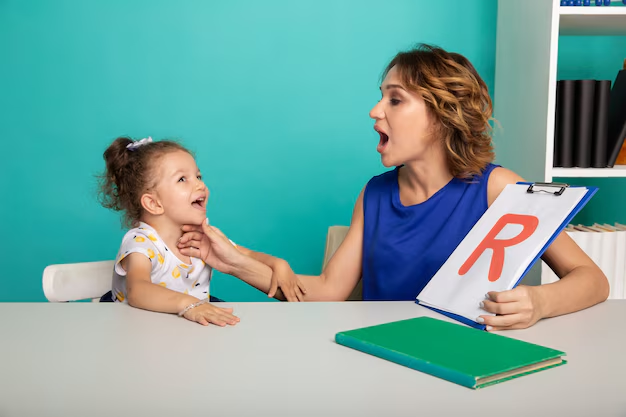
- Clarity of Speech: Our trainers, with engaging and effective phonics activities, focus on the physical mechanics of sound, including how to position the tongue and lips for specific English phonemes. This ensures that teachers and peers in the US schools easily understand your child.
- Vocabulary Expansion: At HOSS, we do not teach phonics for kids in a vacuum. We integrate Personality Development, ensuring that every new word learned is used in a confident, full sentence. It builds "The Missing Skill" of expressive communication.
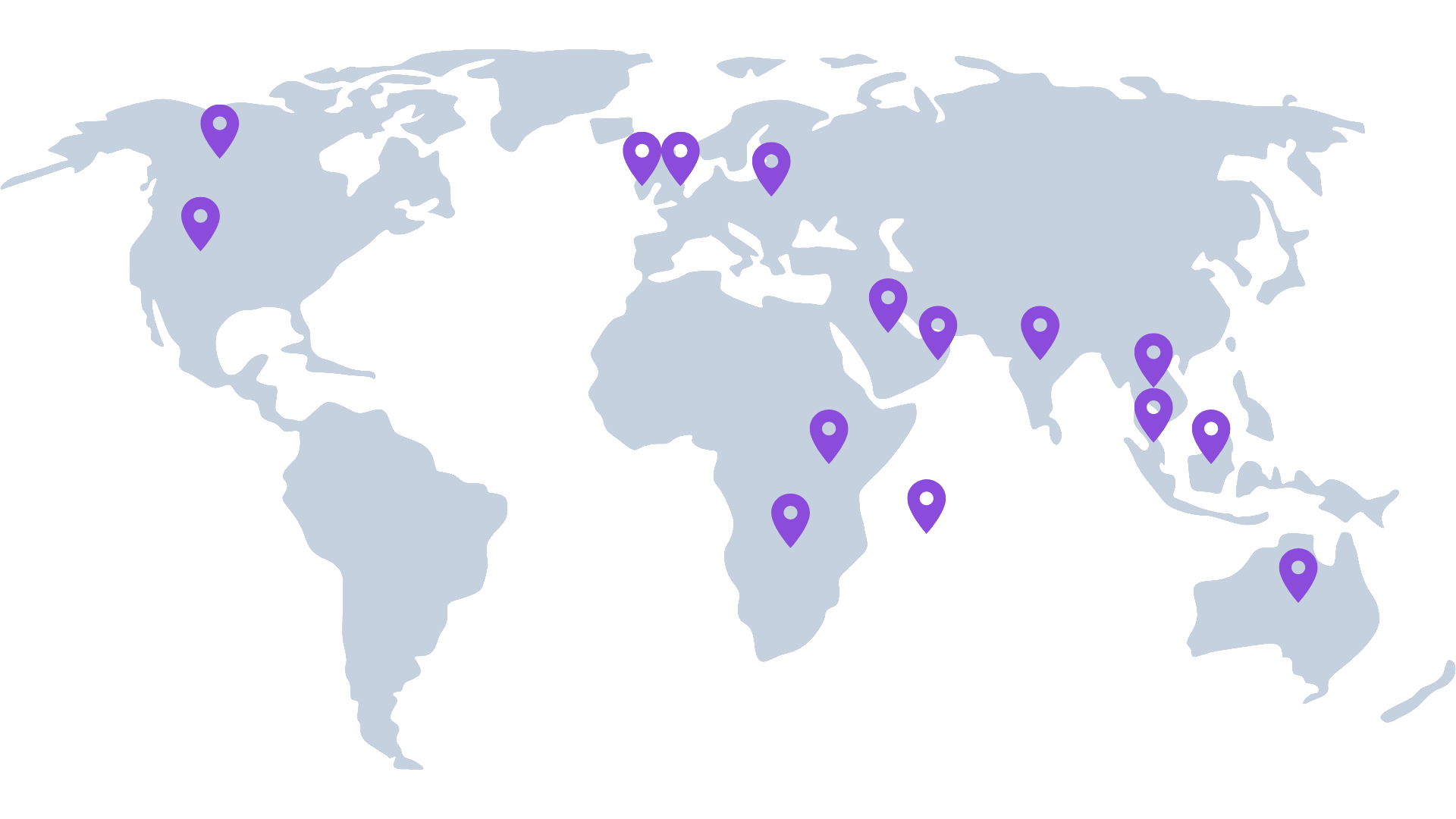
Serving the High-Achieving NRI Hubs Across the USA
HOSS caters to the specific academic standards of the most prestigious school districts in the United States. Our online platform allows families in these hubs to access world-class phonics training from the comfort of home:
- California (The Silicon Valley Hub): We help tech-forward families ensure their children have the "Human Skills" of literacy to match their STEM potential.
- Texas (The Energy & Tech Corridor): Supporting students with our Phonics Programs in the USA, we align our curriculum with the high standards of Texas public and private schools.
- New Jersey and New York: Catering to the dense NRI populations in these areas, where academic competition begins as early as Pre-K.
- The East Coast and Midwest: Dedicated sessions for families in Ashburn (VA), Naperville (IL), and Alpharetta (GA).
The HOSS Methodology: Why 1-on-3 Batches Win?
In the USA, "Learning Loss" is a major concern for parents. Traditional tutoring centers often have too many students for a teacher to hear every child’s pronunciation. HOSS disrupts this with the Micro-Batch Model for the Phonics Programs:
- Maximum Participation: We have only three students per batch. This way, your child gets to speak and read aloud for a significant portion of the complete session.
- Real-Time Correction: Phonics for kids requires instant feedback. If a child mispronounces the "short a" sound, our expert trainers or teachers correct it immediately.
- The Play-Way Approach: We use various engaging activities and sensory-rich digital tools, storytelling, and interactive games. We turn "Learning to Read" into "Playing with Sounds," which is essential for the 4-to-6 age group.
ISO 21001:2025 Certification: Trust You Can Verify
In the crowded US ed-tech market, HOSS stands out through its commitment to international quality standards. We are ISO 21001:2025 Certified. This specific ISO standard is for Educational Organizations. It guarantees that our curriculum design, teacher training, and learner outcomes are audited and verified.
Beyond Reading: The HOSS Promise of Character
At House of Soft Skills (HOSS), our mission is to provide "The Missing Skills." A child who can read fluently at age five is a child who walks taller, speaks more clearly, and leads naturally. We are not just teaching phonics through our Phonics Programs in the USA; we are building the foundation of a lifelong learner.
HOSS USA – Literacy, Articulation, and Confidence for the Future Leaders
- Certifications: ISO 21001:2025 Certified
- Time Zones: Dedicated slots for various time zones.
- Support: Full technical support and dedicated Parent-Success Managers.
Schedule Your Child's Free US Phonics and Reading Assessment Today! Book a demo session for our PPD Program!
Phonics FAQs :
Q: My child’s US school uses "Sight Words." Is Phonics a conflict?
A: Not at all. Phonics for kids is the "Logic" of reading. While schools teach kids to memorize high-frequency words (like "the" or "was"), Phonics gives them the tools to read the other 90% of the English language. It is a complementary superpower.
Q: How young is too young to start Phonics?
A: We recommend starting at 3.5 to 4 years old. This is the "Golden Window" for phonemic awareness. Starting before Kindergarten gives your child the "Confidence Cushion" they need to walk into their first day of school feeling like a leader.
Q: Will this help with my child’s spelling?
A: Yes. Spelling is simply Phonics in reverse (Segmenting). Once a child knows the sounds that make up a word, they can map them to letters. Our students consistently perform better on school spelling tests.
Q: Can I see a sample of my child's progress?
A: Absolutely. We provide a Skills Milestone Report every 18 sessions, tracking their sound recognition, blending speed, and reading confidence against US grade-level standards.
Q: How do you keep a 5-year-old engaged in an online class?
A: Our teachers are trained "Personality Architects." We use high-energy instruction, digital rewards, and "Grand Challenges" that keep children excited. At HOSS, we do not "teach" phonics; we help children "experience" it through our Phonics Programs.